Read the websites of the main recruitment funders and a pattern jumps out. Some describe a percentage advance against invoices, typically in the 80 to 90% range, with the balance released when the client pays; Zodeq's FAQs, for example, describe advances of usually 80 to 90% with up to 100% available to cover weekly payroll (Zodeq). Others lead with 100%: Quba, Simplicity and Workwell all position themselves as 100% recruitment finance, meaning the agency receives its full margin each week rather than an advance and a later top-up (Quba, Simplicity, Workwell). Raise advances the gross invoice too.
So 100% is now table stakes, and a genuinely better structure for most agencies than the old 80% advance. But the phrase describes when you get your money, not what it costs. Two funders can both say 100% and leave you with very different amounts of cash. Here are the six numbers that actually decide it.
1. Gross or net?
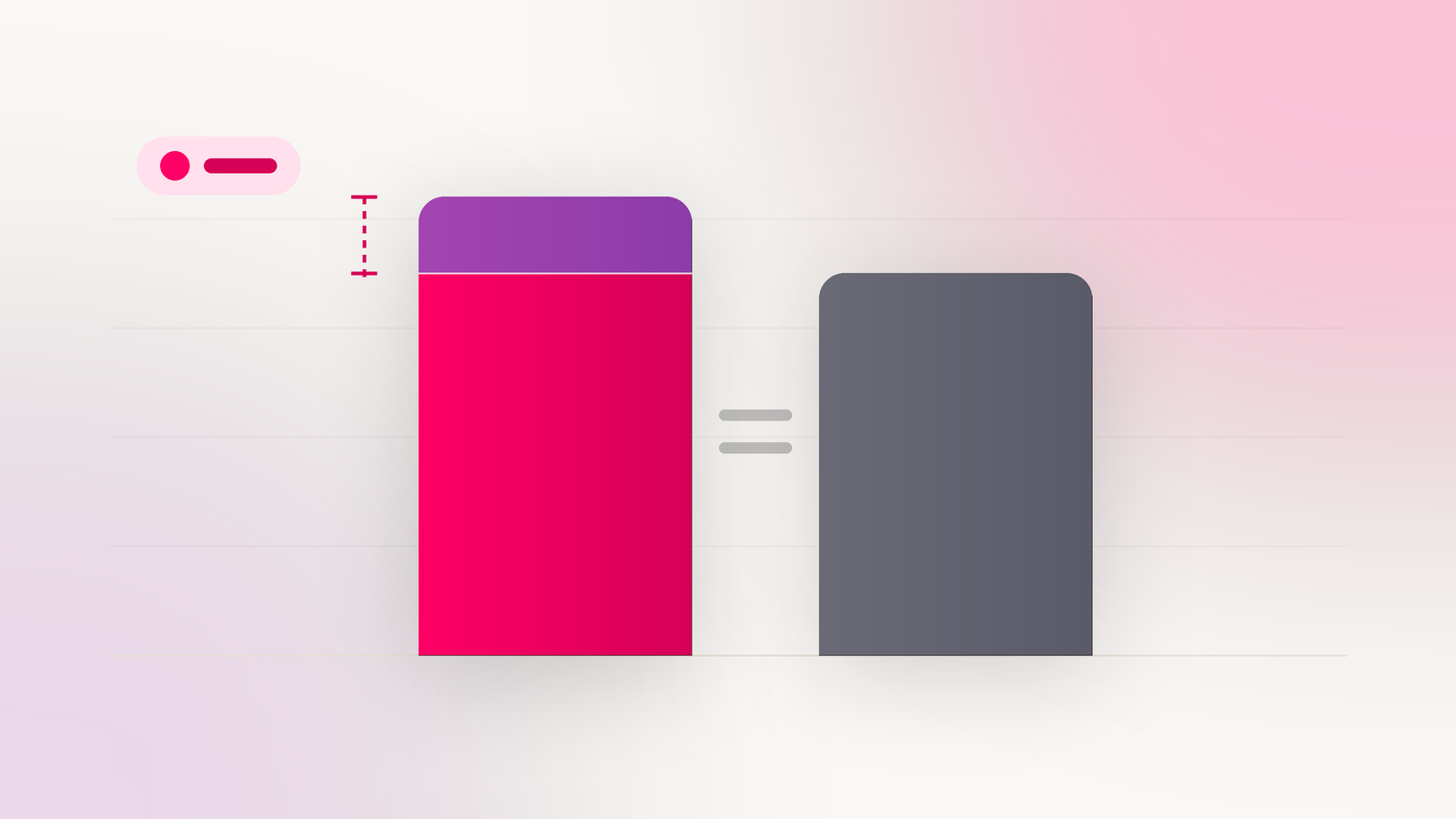
The single biggest hidden difference. An invoice of £10,000 plus VAT is £12,000 gross. A funder advancing 100% of the gross puts £12,000 to work for you; a funder advancing 100% of the net puts £10,000 to work and you wait for the VAT element until the client pays. On a weekly cycle across a whole book, that gap is a permanent difference in working capital. Quba's published guidance, to give one example, calculates its fee on the net invoice value (Quba); whether the advance itself is gross or net is the question to ask every funder, in writing. Raise advances the gross, VAT included.
2. What the fee is charged on
A fee of 2% on gross and a fee of 2% on net are not the same fee. Neither is a fee on turnover the same as a fee per placement. Bundled providers typically charge a percentage of everything you bill because the fee covers payroll and back office as well as funding; Workwell, for instance, states that its service fees are calculated on gross turnover (Workwell). That is a legitimate model. It also means the fee rises in lockstep with growth whether or not the work involved does. Ask for the base the percentage is applied to, and convert it into pounds on last month's billing.
3. How many components there are
Some funders quote one number. Others quote a service fee, a discount charge (effectively interest on the money advanced, for the days it is outstanding) and a set-up fee, which is the structure Zodeq's FAQs describe (Zodeq). Neither is wrong, but three components are harder to compare than one, and the discount charge in particular moves with your clients' payment behaviour. If a client slips from 30 days to 45, what happens to your cost?
4. The extras with quiet names
Overtrading or concentration charges when one client grows too large a share of your ledger. Minimum monthly fees. Refactoring or late fees when an invoice ages past a threshold. Audit and annual review fees. Drawdown fees. Not every funder charges them, and several publish that they do not (Quba, for example, sets out no platform, set-up or minimum fees and a small overtrading charge in its own blog; Workwell lists no minimum, drawdown, audit or overlimit charges). The point is not that these are sinister. It is that the headline rate does not include them, so ask for the full tariff and the last twelve months of one existing client's invoices, anonymised, to see which lines actually appear.
5. Whether the price can move
Most funding is priced once, at signing, for the whole relationship. A fixed fee is predictable, and predictability has value. It also means nothing you do inside the relationship changes what you pay. At Raise the price is set per placement and moves with the risk: shorter client payment terms cost less, contractors on extended 14 or 30-day terms cost less, and funding only part of an invoice rather than the full amount costs less again. Whichever model you prefer, know which one you are buying.
6. The terms around the money
Minimum term. Notice period. Whether your margin is held back during notice. Whether a debenture and personal guarantee are required, and at what point. Whether the turnover stays on your books or sits with the funder under a purchase arrangement, which matters when you value or sell the business. None of these appear in "100%", and each can matter more than half a percent on the rate.
A five-minute comparison that actually works
Take one real month. For each funder, write down: the gross invoiced; the cash that would have landed in your account in week one; every fee line that month in pounds; and the notice period. Then compare the cash-in-hand figure and the total-cost figure side by side. Most of the confusion in this market disappears the moment the percentages become pounds.
If you want us to run that comparison on your book, bring a recent remittance to a fifteen-minute call and we will show you your number rather than a generic one. And whichever funder you choose, choose the one that answered all six questions in writing.